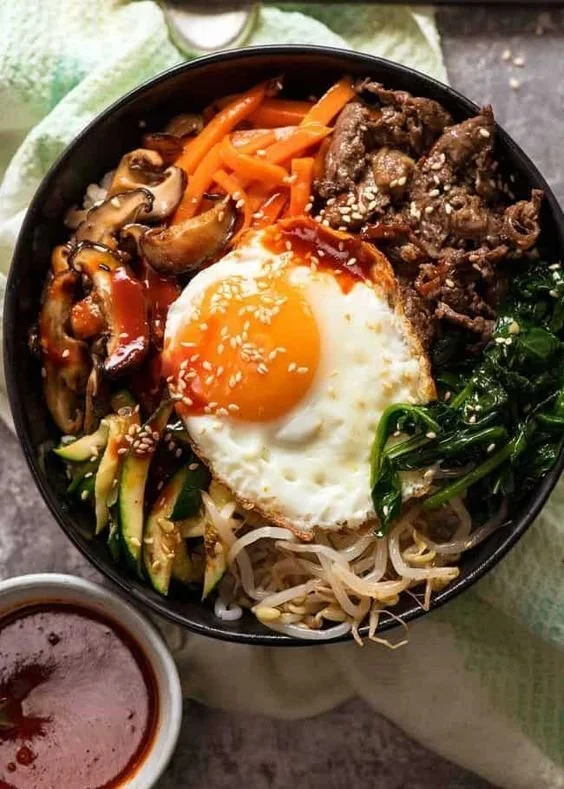
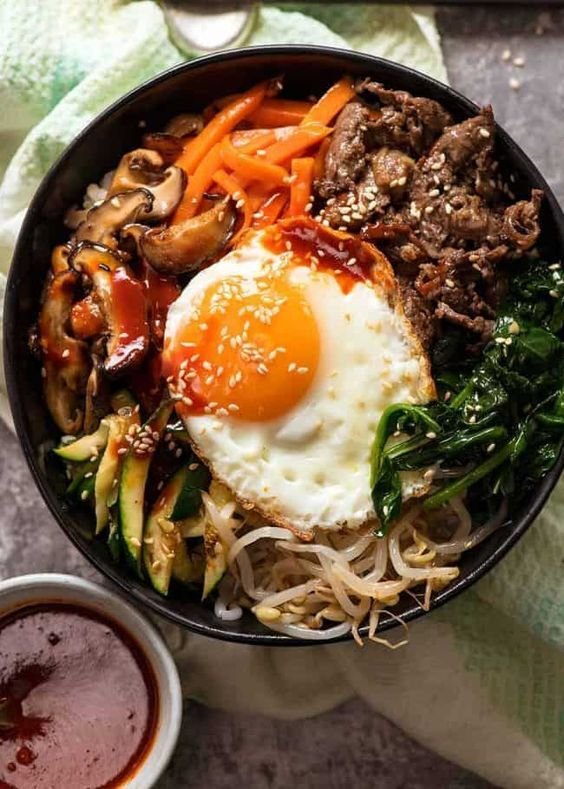
Korean Bibimbap is a vibrant and fulfilling dish that’s perfect for any meal of the day. This colorful rice bowl combines assorted vegetables, tender protein, and a rich fried egg, all drizzled with gochujang sauce, creating a delightful harmony of flavors. It’s not just satisfying but also incredibly easy to customize, making it a great choice for both busy weeknights and special occasions.
Why You’ll Love Korean Bibimbap
- Easily Customizable: Swap out proteins and vegetables based on your preferences or what you have on hand, allowing you to enjoy a different dish each time.
- Quick to Prepare: With a total time of around 30 minutes, you can have a delicious, hearty meal without spending hours in the kitchen.
- Nutritious and Balanced: Packed with vegetables, protein, and healthy fats, this dish offers a well-rounded meal that can nourish and energize.
- Perfect for Meal Prep: Make multiple portions at once, refrigerate or freeze, and enjoy a quick meal throughout the week without the hassle of daily cooking.
- Great for Families: Children and adults alike love the interactive nature of Bibimbap, as everyone can personalize their bowl to suit their tastes.
- Comforting and Satisfying: Combining warm rice, flavorful toppings, and a runny fried egg creates a cozy meal that feels like a hug in a bowl.
Recipe Overview
- Prep Time: 10 minutes
- Cook Time: 20 minutes
- Total Time: 30 minutes
- Servings: 2
- Difficulty Level: Easy
Ingredients You’ll Need for Korean Bibimbap
-
Base Ingredients:
- 2 cups cooked rice
- 1 cup assorted vegetables (spinach, carrots, zucchini, mushrooms)
- 4 oz meat (beef, chicken, or tofu)
-
For Cooking:
- 2 eggs
- 2 tablespoons sesame oil
- 2 tablespoons soy sauce
- 1 tablespoon gochujang (Korean chili paste)
-
Garnishes:
- Sesame seeds for garnish
- Green onions for garnish
Note: Feel free to use whatever vegetables you have on hand. Bell peppers, bean sprouts, or broccoli would all work well. Tofu is a great option for a vegetarian meal, while a fried egg adds creaminess and richness.
How to Make Korean Bibimbap
-
Cook the Rice:
Start by cooking the rice according to package instructions. Ideally, use short or medium-grain rice for the best texture. -
Sauté the Vegetables:
Heat 1 tablespoon of sesame oil in a skillet over medium heat. Add your assorted vegetables and sauté until tender. This should take about 5-7 minutes. -
Cook the Meat:
In the same or a separate pan, heat another tablespoon of sesame oil over medium-high heat. Add your protein choice and soy sauce. Cook until the meat is fully cooked through, approximately 5-7 minutes. -
Fry the Eggs:
In a small non-stick pan, fry the eggs sunny side up or to your desired doneness. Aim for the yolk to remain runny for the best flavor. -
Assemble the Bowls:
Place a generous scoop of cooked rice in bowls. Top each bowl with sautéed vegetables and meat. -
Add the Fried Egg:
Gently place a fried egg on top of the vegetables and meat in each bowl. -
Drizzle with Gochujang:
Add a drizzle of gochujang over the entire bowl for that essential flavor kick. -
Garnish and Enjoy:
Lastly, sprinkle sesame seeds and sliced green onions on top. Mix everything together before enjoying your delicious Bibimbap at room temperature!
Tips for Success
- Use Fresh Ingredients: Fresh vegetables can enhance flavor and texture. Try to use seasonal produce when possible.
- Control the Heat: Adjust the heat levels based on your preference when sautéing the vegetables or cooking the protein.
- Egg Precautions: If you prefer your eggs well-cooked, consider cooking them until the yolks are firm, but a runny yolk adds creaminess that many enjoy.
- Season to Taste: Feel free to customize the amount of soy sauce and gochujang based on your taste preferences. Taste as you go!
- Prep and Cook: You can prepare all ingredients in advance to make assembly quicker when it’s time to eat.
Easy Variations
- Protein Swaps: Change up the protein with shrimp, pork, or even plant-based meat alternatives for a new flavor profile.
- Spice Adjustments: If gochujang is too spicy for your preference, reduce the amount or mix it with a bit of honey for a sweeter flavor.
- Vegetable Add-Ins: Incorporate other vegetables like sweet potatoes or eggplant for added variety and texture.
- Mixing Flavors: Experiment with toppings such as kimchi or pickled vegetables for added zing.
- Serving Style: Serve it as a hot salad or cold rice bowl, depending on your preference.
What to Serve with Korean Bibimbap
- Miso Soup: A warm bowl of miso soup pairs nicely and balances the heat of Bibimbap.
- Korean Kimchi: The crunch and acidity from kimchi complement the dish beautifully.
- Seaweed Salad: A refreshing seaweed salad provides a different texture and flavor profile that contrasts well with the warm rice.
- Pickled Vegetables: Serve pickled radishes or cucumbers alongside for a tangy flavor hit.
- Korean Fried Chicken: For a heartier meal experience, consider pairing with crispy Korean fried chicken.
Storage and Reheating
- Refrigerator Storage: Keep any leftovers in an airtight container in the fridge for up to 3 days.
- Freezer Storage: Cooked rice and proteins can be frozen separately for up to 2 months. Thaw in the refrigerator overnight before reheating.
- Reheating Method: Reheat in the microwave or on the stovetop with a splash of water to prevent drying out.
- Texture Preservation: Avoid reheating the fried egg if possible; instead, prepare a fresh fried egg when serving leftovers.
- Meal Prep: Assemble the ingredients in individual portions to make meal prep easier during busy weeks.
Common Mistakes to Avoid
- Overcooking the Vegetables: Ensure vegetables are not overcooked; they should retain some crunch for texture.
- Incorrect Rice Texture: Using the right type of rice is crucial; avoid long-grain rice for this recipe; stick to short-grain or sushi rice.
- Skimping on Seasoning: Don’t be afraid to add enough soy sauce and gochujang to ensure the dish is flavorful; taste as you go.
- Skipping the Egg: The fried egg adds richness, so don’t skip it unless necessary. Try other cooking styles if preferred (scrambled, poached, etc.).
- Complicated Ingredient Selection: Avoid excess ingredients that might complicate the dish; keep it simple for the best outcome.
Korean Bibimbap: Background & Cultural Inspiration
Korean Bibimbap is not merely a meal but a celebrated symbol of balance and harmony in Korean cuisine. Traditionally served in a heated stone bowl, which creates a delightful crispy rice crust at the bottom, Bibimbap is a Korean staple enjoyed across the country. The dish embodies a philosophy of eating a variety of ingredients to achieve a harmonious balance of flavors and textures. Bibimbap’s colorful presentation reflects the importance of aesthetics in Korean culture, where meals are a visual delight as much as they are delicious. Each component represents different elements of nature, emphasizing the significance of food in cultural rituals and celebrations.
Frequently Asked Questions
Can I make Korean Bibimbap vegetarian?
Yes! Substitute meat with tofu or extra vegetables, and make sure to check soy sauce for any animal products.
How can I adjust the spiciness?
Begin with a small amount of gochujang, then adjust to your taste. Mixing it with a little honey or sugar can temper the spice.
Can I prepare Bibimbap in advance?
You can cook the rice, protein, and vegetables ahead of time. Store them separately in the refrigerator and assemble them when ready to serve.
What if I don’t have gochujang?
You can substitute with chili paste or another hot sauce, but be aware that the flavor will change slightly.
How do I reheat leftover Bibimbap?
Reheat the mixture in the microwave or on a skillet with a bit of water. Be sure to keep the fried egg separate if reheating leftovers.
Final Thoughts
Korean Bibimbap is a delightful dish that invites creativity and personal expression. With its variety of flavors, textures, and the fun of mixing it all together, this recipe is worth trying whether you’re a seasoned cook or a beginner. Not only does it promise a delicious meal, but it also brings a touch of Korean culture right into your kitchen. Dive into this flavorful bowl and make it your own!
PrintKorean Bibimbap
A vibrant and fulfilling rice bowl combining assorted vegetables, tender protein, and a rich fried egg, drizzled with gochujang sauce.
- Prep Time: 10 minutes
- Cook Time: 20 minutes
- Total Time: 30 minutes
- Yield: 2 servings
- Category: Main Course
- Method: Stir-frying
- Cuisine: Korean
- Diet: Vegetarian option available
Ingredients
- 2 cups cooked rice
- 1 cup assorted vegetables (spinach, carrots, zucchini, mushrooms)
- 4 oz meat (beef, chicken, or tofu)
- 2 eggs
- 2 tablespoons sesame oil
- 2 tablespoons soy sauce
- 1 tablespoon gochujang (Korean chili paste)
- Sesame seeds for garnish
- Green onions for garnish
Instructions
- Cook the rice according to package instructions.
- Sauté the vegetables in 1 tablespoon of sesame oil over medium heat until tender, about 5-7 minutes.
- Cook the meat in another tablespoon of sesame oil with soy sauce until fully cooked, approximately 5-7 minutes.
- Fry the eggs sunny side up in a non-stick pan.
- Assemble the bowls with cooked rice topped with sautéed vegetables and meat.
- Add a fried egg on top of each bowl.
- Drizzle gochujang over the bowls.
- Garnish with sesame seeds and sliced green onions, then mix and enjoy!
Notes
Feel free to use any vegetables you have on hand for customization. Fresh ingredients enhance flavor.