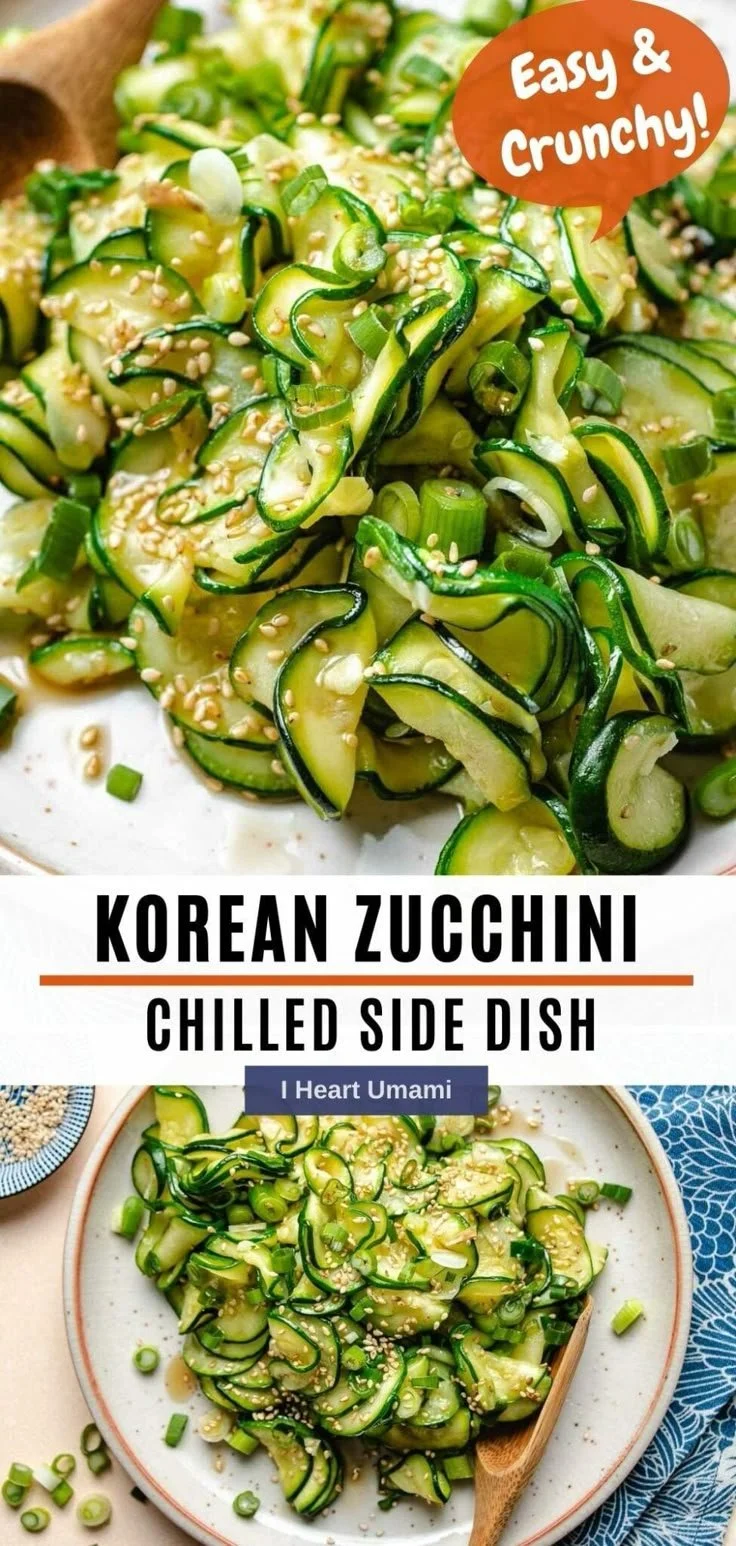
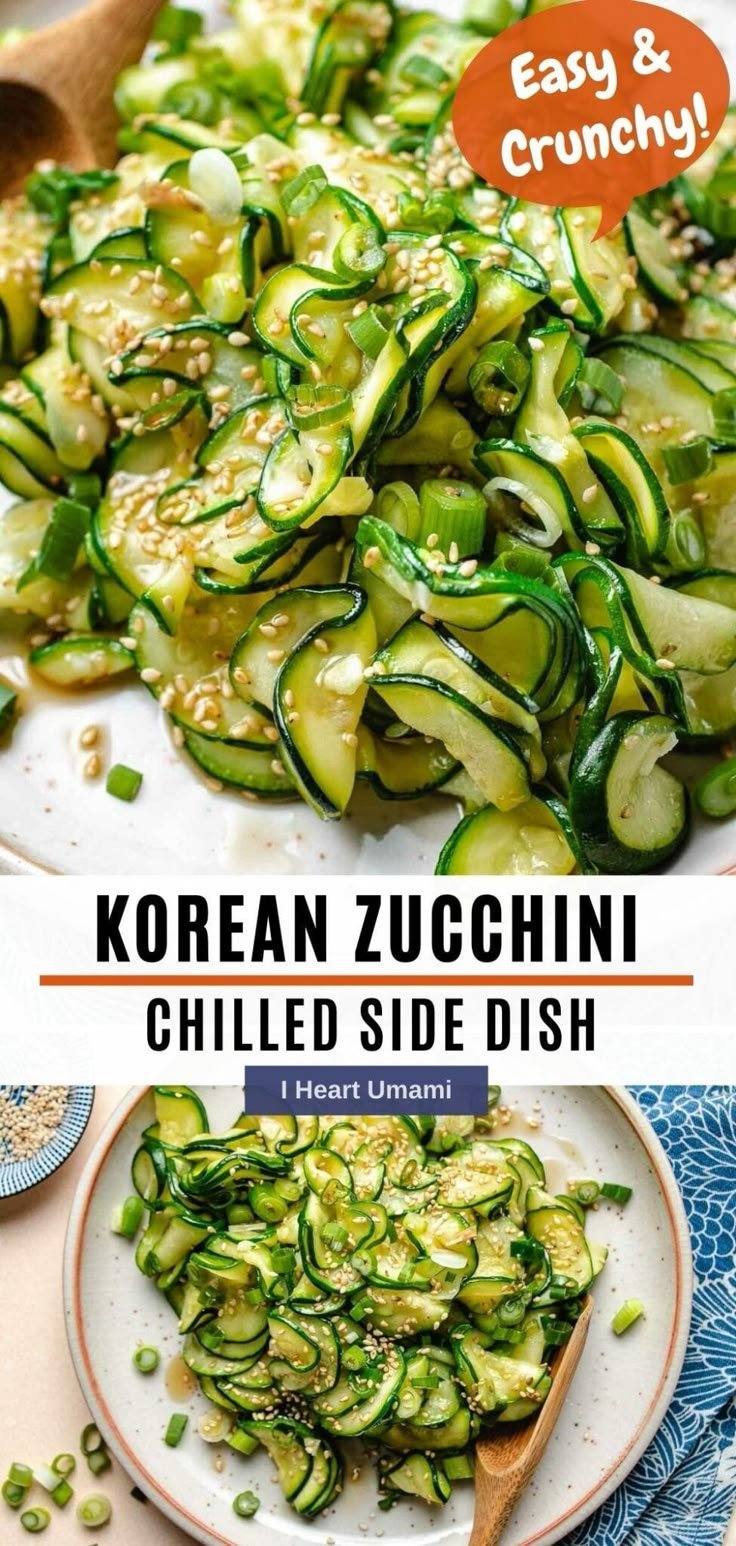
Korean Zucchini Side Dish is a delightful and simple recipe that elevates your meals with its fresh flavors and satisfying crunch. This dish highlights the natural sweetness of zucchini while offering a savory umami kick, making it a perfect accompaniment to any meal. Whether it’s served warm or at room temperature, this easy-to-make recipe is sure to become a favorite in your kitchen.
Why You’ll Love Korean Zucchini Side Dish
- Quick Preparation: With a prep and cook time of under 15 minutes, this dish is perfect for busy weeknights or last-minute gatherings.
- Flavorful: The combination of soy sauce, sesame oil, and garlic adds a depth of flavor that enhances the zucchini without overwhelming it.
- Healthy Choice: Packed with nutrients, this dish is a guilt-free addition to any meal, making it a great choice for health-conscious diners.
- Versatile Serving Options: Serve it warm, at room temperature, or even chilled, making it adaptable for various occasions and preferences.
- Budget-Friendly: Made with minimal ingredients, this recipe is easy on the wallet without sacrificing taste or quality.
Recipe Overview
- Prep Time: 5 minutes
- Cook Time: 10 minutes
- Total Time: 15 minutes
- Servings: 4
- Difficulty Level: Easy
Ingredients You’ll Need for Korean Zucchini Side Dish
- 2 medium zucchini
- 2 tablespoons vegetable oil
- 2 cloves garlic, minced
- 1 tablespoon soy sauce
- 1 teaspoon sesame oil
- 1 tablespoon sesame seeds
- Salt and pepper to taste
- Green onions for garnish (optional)
Zucchini, when cooked, retains a slight crunch that contrasts beautifully with the savory sauce. You can substitute vegetable oil with canola or olive oil if you prefer. For added heat, consider incorporating red pepper flakes.
How to Make Korean Zucchini Side Dish
-
Prepare the Zucchini
Wash and slice the zucchini into thin rounds or half-moons for even cooking. -
Heat the Oil
In a pan over medium-high heat, heat the vegetable oil until it shimmers. This helps in achieving a nice sear on the zucchini. -
Sauté the Garlic
Add the minced garlic to the pan and sauté for about 30 seconds, or until fragrant. Be careful not to burn it, as burnt garlic can impart a bitter taste. -
Cook the Zucchini
Add the sliced zucchini to the pan and stir-fry for about 5 minutes. You want them to be just tender while still maintaining a bit of crunch. -
Add Sauce Ingredients
Pour in the soy sauce and sesame oil, stirring to ensure the zucchini is well-coated and absorbs the flavors. -
Final Cooking
Cook for an additional minute, allowing the flavors to meld together nicely. -
Season to Taste
Season with salt and pepper to your preference. Remember that the soy sauce can be salty, so taste before adding too much. -
Garnish
Remove from heat and sprinkle with sesame seeds and green onions if desired for an extra pop of flavor and color. -
Serve
Enjoy your Korean Zucchini Side Dish warm or at room temperature as a perfect side to main courses.
Tips for Success
- Cut the zucchini evenly to ensure uniform cooking.
- Stir frequently to prevent sticking and ensure even sautéing.
- If you like your zucchini softer, you can cook them for an additional minute or two, but keep an eye on the texture.
- Feel free to adjust the garlic amount according to your taste; more garlic can add an extra depth of flavor.
- Experiment with other spices or herbs if you want to personalize the dish further.
Easy Variations
- Spicy Kick: Add a teaspoon of gochujang (Korean chili paste) for a spicy version.
- Add Protein: Incorporate cooked chicken or tofu for a heartier dish.
- Vertical Cuts: Slice zucchini lengthwise instead of crosswise for a different presentation.
- Veggie Medley: Mix in other vegetables like bell peppers or carrots for a vibrant stir-fry.
- Soy Sauce Alternatives: Use tamari for a gluten-free option or coconut aminos for a lighter flavor.
What to Serve with Korean Zucchini Side Dish
- Grilled Meats: This dish pairs perfectly with grilled chicken, pork, or beef, complementing the smoky flavors.
- Rice Dishes: Serve alongside steamed rice or fried rice to create a well-rounded meal.
- Noodle Bowls: Incorporate it into a noodle bowl for added texture and nutrition.
- Asian-Inspired Salads: Use it in salads that feature sesame dressing, adding crunch and flavor.
- Dumplings: Serve with gyoza or potstickers to create a delightful appetizer spread.
Storage and Reheating
- Refrigerator Storage: Store leftovers in an airtight container in the refrigerator for up to 3 days.
- Freezer Storage: Although best enjoyed fresh, you can freeze it for up to a month in a freezer-safe container. Texture may change slightly upon reheating.
- Best Reheating Method: Reheat in a non-stick pan over low heat, adding a splash of water to restore moisture if necessary.
- Preserve Texture: Avoid microwaving, as this can make the zucchini soggy.
Common Mistakes to Avoid
- Overcooking the Zucchini: Keep an eye on cooking time to prevent mushiness; you want them tender yet crisp.
- Burning Garlic: Add garlic later in the cooking process or use lower heat to avoid burning.
- Ignoring Seasoning: Don’t forget to taste and adjust seasoning before serving for balanced flavor.
Korean Zucchini Side Dish: Background & Cultural Inspiration
The Korean Zucchini Side Dish, known as "Hobak Bokkeum," is a beloved staple in Korean cuisine. This dish showcases the simple, yet vibrant flavors characteristic of Korean home cooking. Zucchini is abundant during the summer months, making it a frequently used vegetable in many Korean recipes. The preparation reflects a fundamental cooking technique in Korean cuisine—stir-frying—which emphasizes freshness and seasonality. It’s a popular banchan (side dish) served at family meals and gatherings, embodying the philosophy of sharing smaller portions of multiple dishes.
Frequently Asked Questions
Can I use other vegetables instead of zucchini?
Yes, you can substitute zucchini with bell peppers, eggplants, or mushrooms for a different flavor and texture.
Is this dish gluten-free?
To make it gluten-free, use tamari instead of soy sauce, ensuring that all other ingredients are also gluten-free.
Can I make this dish ahead of time?
Yes, you can prepare it a few hours in advance. Just store it in the refrigerator and reheat before serving.
How do I store leftovers?
Store leftovers in an airtight container in the refrigerator for up to 3 days. Reheat on the stovetop for the best texture.
How spicy is this dish?
The original recipe is not spicy, but you can adjust the heat by adding red pepper flakes or gochujang according to your taste preference.
Final Thoughts
Korean Zucchini Side Dish is not only a quick and easy way to add vegetables to your meals, but it also brings a delightful flavor to your table. With its brief cooking time and simple ingredients, this dish proves that nourishment can be both healthy and delicious. Try it at your next family dinner or as a colorful addition to meal prep, and enjoy the vibrant tastes of Korean cuisine in the comfort of your own home.
PrintKorean Zucchini Side Dish
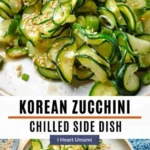
A delightful and simple recipe that highlights the natural sweetness of zucchini with a savory umami kick.
- Prep Time: 5 minutes
- Cook Time: 10 minutes
- Total Time: 15 minutes
- Yield: 4 servings
- Category: Side Dish
- Method: Stir-frying
- Cuisine: Korean
- Diet: Vegetarian
Ingredients
- 2 medium zucchini
- 2 tablespoons vegetable oil
- 2 cloves garlic, minced
- 1 tablespoon soy sauce
- 1 teaspoon sesame oil
- 1 tablespoon sesame seeds
- Salt and pepper to taste
- Green onions for garnish (optional)
Instructions
- Prepare the Zucchini by washing and slicing it into thin rounds or half-moons.
- Heat the oil in a pan over medium-high heat until it shimmers.
- Sauté the garlic for about 30 seconds, or until fragrant.
- Cook the zucchini for about 5 minutes until just tender and still a bit crunchy.
- Add the soy sauce and sesame oil, stirring to coat the zucchini.
- Final cooking should be for an additional minute.
- Season with salt and pepper to taste.
- Garnish with sesame seeds and green onions if desired.
- Serve warm or at room temperature as a side dish.
Notes
Cut the zucchini evenly for uniform cooking. Stir frequently to prevent sticking.